“The technological DNA” of Chairman Do Quang Hien and the vision behind Vietnam SuperPort™
Chairman Hien’s “SuperPort” amid the rise of smart logistics
In the Vietnam Logistics Report 2025, themed “Smart Logistics,” the Ministry of Industry and Trade noted that Vietnam’s logistics sector is entering a new competitive landscape, where data, artificial intelligence and automation are becoming as critical as physical infrastructure.
According to the report, many Vietnamese logistics enterprises are gradually shifting away from traditional operating models and accelerating the adoption of new technologies such as the Internet of Things (IoT), artificial intelligence (AI), big data and digital operation management systems across their supply chains.
More notably, the smart logistics trend is no longer limited to the digitalization of individual management processes. It is moving toward the development of integrated logistics ecosystems, in which transportation, warehousing, customs clearance, aviation, seaports and data management are connected on a unified operating platform.
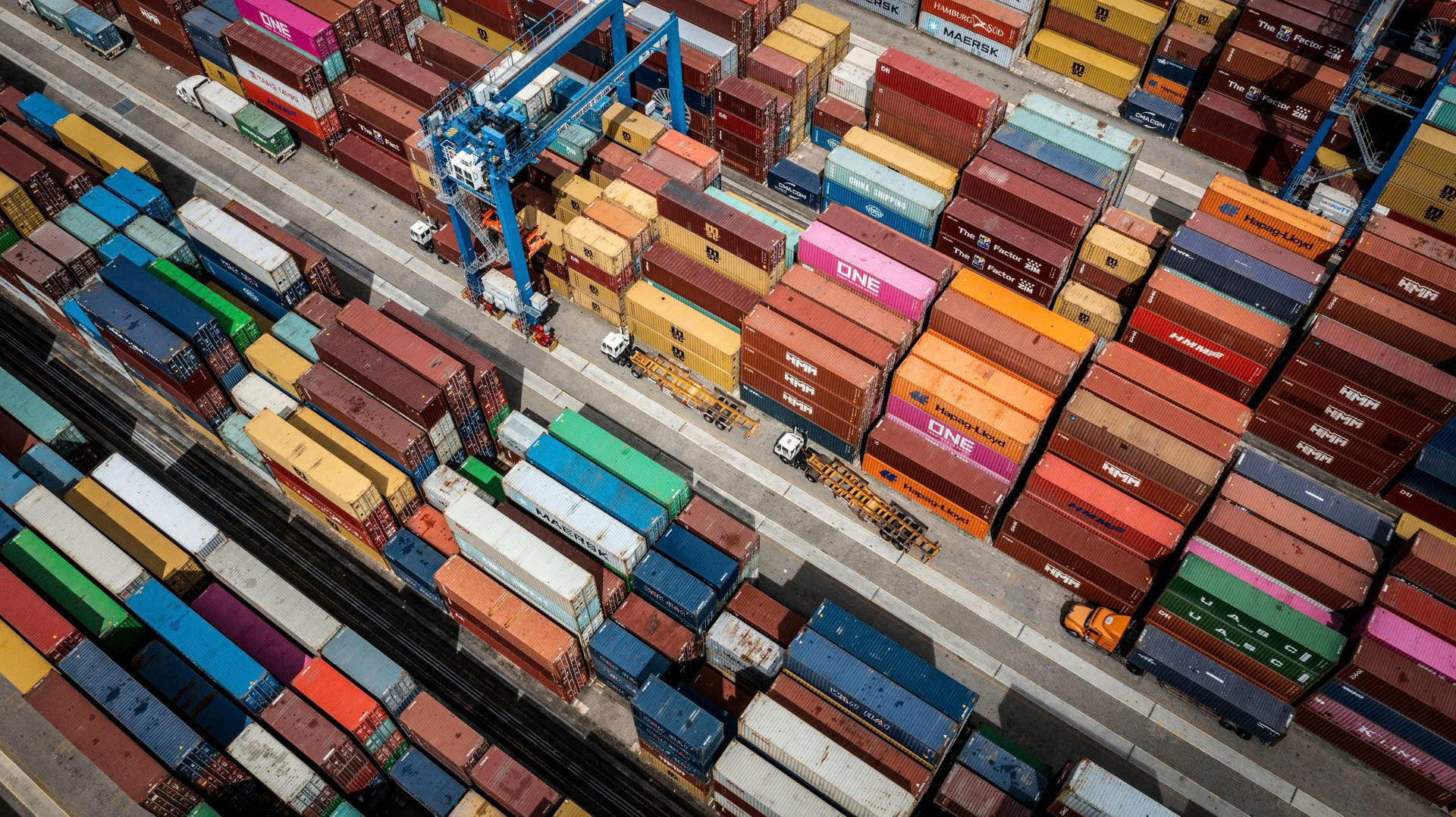
However, the Ministry of Industry and Trade also pointed out that the level of digital transformation across Vietnam’s logistics sector remains uneven. Most enterprises are still in the early stages of technology adoption, primarily using digital tools for basic functions such as warehouse management, transportation management and order tracking. Meanwhile, the number of businesses capable of deploying smart logistics models at scale remains relatively limited.
This gap is creating a new form of differentiation within the logistics industry. Enterprises with the capacity to invest in technology, data and automation are beginning to gain a more visible competitive edge over traditional logistics models that still depend heavily on manual processes and fragmented operations.
Another important point highlighted in the report is that digital transformation in logistics is not merely about investing in technology. To build a smart logistics ecosystem, businesses must also develop strong management capabilities, transparent operating systems, data synchronization capacity and the ability to organize supply chains in real time.
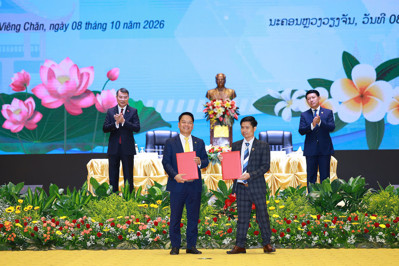
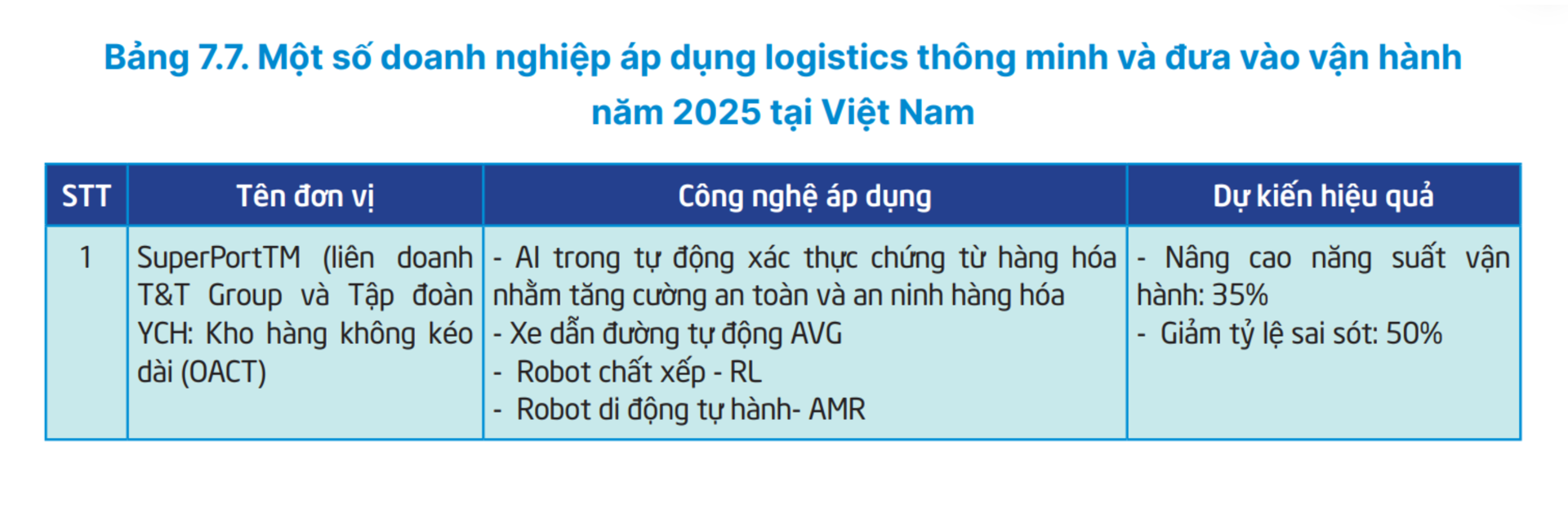
Notably, among the exemplary smart logistics models expected to be put into operation in Vietnam in 2025, the Ministry of Industry and Trade directly mentioned Vietnam SuperPort™ — a joint venture between T&T Group and YCH Group of Singapore.
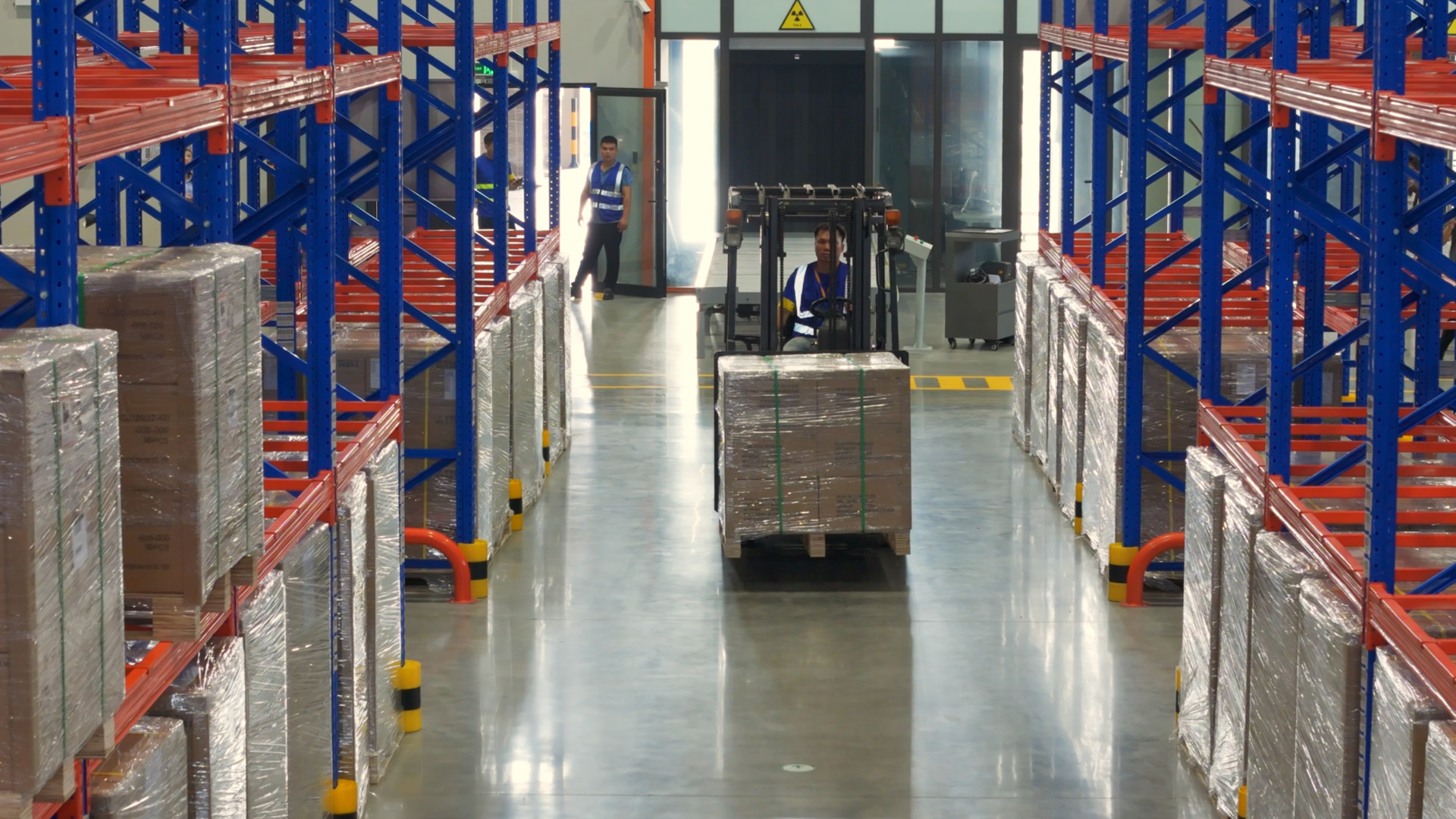
Vietnam SuperPort™ has applied artificial intelligence in cargo document authentication, alongside automated guided vehicles (AGVs), robotic loaders (RLs), autonomous mobile robots (AMRs) and the Off-Airport Cargo Terminal (OACT) model. The integration of these technologies has helped increase operational productivity by approximately 35% while reducing error rates by up to 50%.
The OACT model being implemented by Vietnam SuperPort™ is considered a new direction for air logistics in Vietnam. Instead of relying entirely on cargo handling infrastructure inside the airport, OACT functions as an off-airport cargo terminal capable of handling multiple stages, including customs procedures, security screening, warehousing, ULD unloading and cargo transportation to the airport.
According to representatives of Vietnam SuperPort™, cargo processed through the OACT model is handled under international-standard security control procedures, meeting the requirements of stringent markets such as the United States and Europe. Located along the northern logistics corridor, with connectivity to more than 20 industrial zones and extending toward Yunnan and Kunming in China, this model is expected to become a new transshipment hub for goods moving between Vietnam, China and ASEAN.
It is also among the first models in Vietnam to pilot the concept of “moving cargo terminals outside the airport” — an approach designed to address the long-standing challenge of congestion in air logistics. Once effectively implemented, the model could help reduce cargo pressure at major airport terminals by around 25%.
Beyond operational automation, Vietnam SuperPort™ is also working with Google, Kyndryl and other technology partners to study the integration of AI into security screening systems and automated cargo document authentication. These efforts are aimed at improving processing speed while enhancing security standards in aviation logistics.
In fact, technology integration across the supply chain has been a consistent direction pursued by Chairman Do Quang Hien’s Vietnam SuperPort™. The project has gradually brought AI-powered solutions from Singapore’s Supply Chain City model into Vietnam’s logistics ecosystem, adapting international experience to local market needs.
The fact that Vietnam SuperPort™ was highlighted by the Ministry of Industry and Trade amid the rise of smart logistics suggests that competition in this sector is entering a new phase. In this new landscape, data processing capacity, automation and real-time optimization of cargo flows are becoming just as important as physical infrastructure.
During his official visit to Singapore, General Secretary To Lam emphasized that science and technology, innovation and digital transformation are crucial drivers for enhancing national competitiveness and enabling deeper participation in global value chains. This spirit is also reflected in Resolution 57-NQ/TW and represents one of the key areas of cooperation between Vietnam and Singapore in the new phase. From this perspective, the development direction of Vietnam SuperPort™ partly reflects the broader trajectory that Vietnam is pursuing.
From a science and technology background to T&T Group’s smart logistics ambitions
However, Vietnam SuperPort™ is only the visible part of a much larger story. Few people realize that behind T&T Group’s recent strong push into digital logistics, AI and automation lies the technology-driven mindset of businessman Do Quang Hien. With a background in science and technology, he was formerly a student of the Radio Physics Department at Hanoi University and later worked at the National Institute of Technology before embarking on his entrepreneurial journey. Even in the name T&T, the second “T” stands for “Technology,” reflecting a foundation that has been embedded in the Group’s identity from the very beginning.
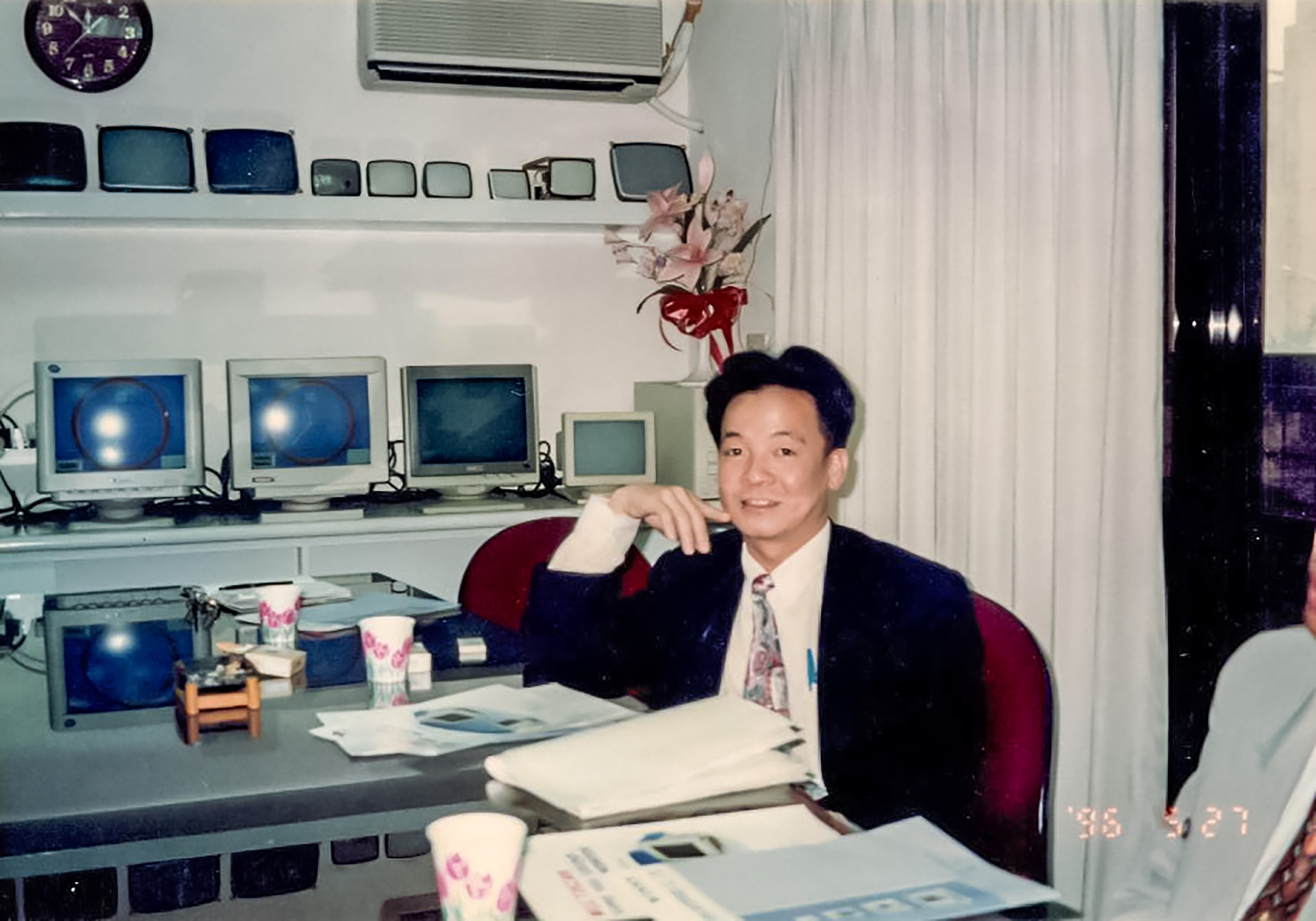
For Mr. Hien, technology is not simply a tool to support operations, but a foundation for creating long-term competitive advantages for businesses and the nation. He has repeatedly emphasized: "To move quickly and develop, we must rely on high technology. I am interested in technology and focus on high technology in all fields." According to him, Vietnamese businesses cannot simply follow traditional investment models, but must gradually master technology, data, and operational capabilities.
This is also why, many years before AI or digital transformation became a popular trend in Vietnam, the founder of T&T Group repeatedly mentioned the goal of contributing to the realization of the Fourth Industrial Revolution through international cooperation, human resource training, and the development of core technology platforms.
"Embracing technology" is also a direction emerging in many new fields that T&T Group is involved in. In Thai Nguyen, the group, led by Chairman Hien, is developing a project to treat industrial and medical waste using advanced environmental technologies such as ZLD (zero discharge), European-standard multi-purpose rotary kilns, and solutions for energy recovery and electronic waste recycling. Instead of simply treating waste in the traditional way, the project aims for a circular economy model, where technology is used to transform waste into new energy and resources.
Most recently, at the launch ceremony of the "Innovation, Science and Technology Development, Digital Transformation and Green Transformation" movement chaired by the Prime Minister in early 2026, the Chairman of T&T Group reiterated his recommendation that innovation and digital transformation should be considered a "mandate for action" to enhance national competitiveness in the new era. He argued that digital transformation should not be limited to the application of individual technologies, but should be implemented throughout the entire operational ecosystem of the enterprise.
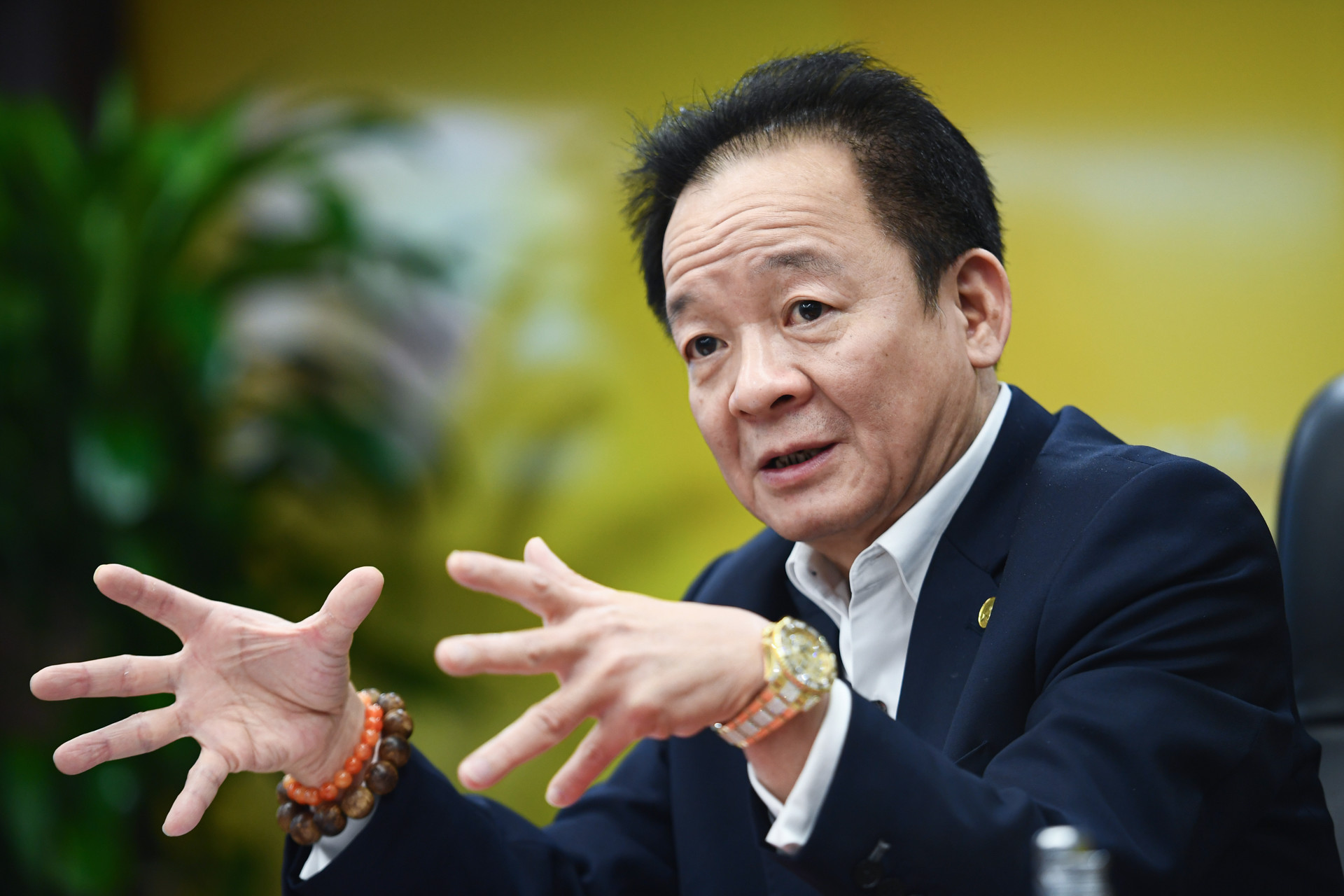
"Technological DNA" also significantly influences how Chairman Hien chooses international cooperation strategies for T&T Group. According to him, foreign partners not only need to ensure business efficiency, but also must participate in technology transfer, human resource training, and contribute to Vietnam's long-term development capacity.
"We cannot invest, make a profit, and then withdraw, because ultimately, technology will not be accessible, people will not be trained, and Vietnam will not be able to develop." Mr. Do Quang Hien said
This philosophy is also being realized at Vietnam SuperPort™. Through cooperation with YCH and the Singapore Supply Chain and Logistics Academy (SCALA), the project is expected to train 500 logistics professionals through a talent development program in Singapore, thereby contributing to the formation of a high-tech logistics workforce for Vietnam in the new era.
In addition, T&T Group has partnered with many leading global companies such as Ramky Group, Hanwha, Kogas, Kospo, SK Innovation; erex, Marubeni, Sojitz, JPower; Cospower, Gedi, Goldwind, BP…
The "technology-based" mindset partly explains how T&T Group has expanded into infrastructure, logistics, and supply chain sectors over the years. While previously the company owned by Mr. Hien was better known for finance or real estate, the Group is now gradually establishing itself in higher value-added components of the economy: seaports, multimodal logistics, aviation, connectivity infrastructure, and AI-powered operating platforms.

According to observers, the difference in T&T's approach to infrastructure lies in the fact that the company is not only investing in "hardware" such as roads, ports, or warehouses, but is increasingly delving into operational layers with higher technology and data content.
Perhaps that's why, when looking at Vietnam SuperPort™, one sees more than just a logistics project. Behind the real-time flow of goods and operating robots lies the trace of a "technological DNA" that has been with T&T Group since its inception.